


.png)


How to Write a Cover Letter That Matches the Job Description

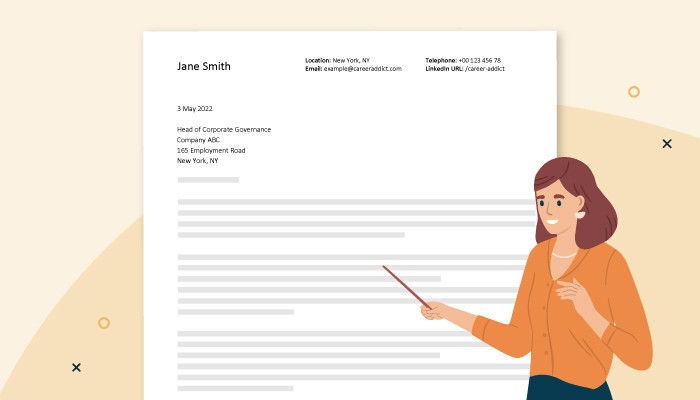
A cover letter remains one of the most valuable tools job seekers can use when applying for a role. While resumes provide an overview of skills, qualifications, and work history, a cover letter gives candidates the opportunity to explain why they are the right fit for a specific position. Unfortunately, many applicants make the mistake of sending the same generic cover letter with every application. This approach often fails to capture the attention of hiring managers because it does not demonstrate a clear understanding of the role or the organisation. If you want your application to stand out in a competitive job market, learning how to write a cover letter that matches the job description is essential.
Employers receive countless applications for a single vacancy, and they are looking for candidates who can show a genuine connection between their experience and the requirements of the role. A tailored cover letter helps bridge this gap by highlighting relevant skills and demonstrating how your background aligns with the employer's needs. Rather than simply repeating information from your resume, an effective cover letter tells a story about why you are the ideal candidate and why you are interested in the opportunity.
The first step in writing a strong cover letter is carefully reading the job description. Many applicants skim through job advertisements and focus only on the title or salary range. However, the job description contains valuable information about what the employer is seeking. It outlines the responsibilities of the role, the required qualifications, the desired skills, and often provides insight into the company culture. Taking the time to analyse this information can help you identify the key areas you should address in your cover letter.
As you review the job description, pay close attention to recurring themes and keywords. Employers often emphasise particular skills or qualities because they are critical to success in the role. For example, a position may require strong communication skills, experience working within teams, problem solving abilities, or leadership experience. These priorities should guide the content of your cover letter. By directly addressing the skills and attributes mentioned in the advertisement, you demonstrate that you have taken the time to understand what the employer values.
One of the most effective ways to create a tailored cover letter is to mirror the language used in the job description where appropriate. This does not mean copying large sections of the advertisement. Instead, it involves incorporating relevant terminology naturally throughout your letter. Doing so can help demonstrate alignment with the role and may also improve compatibility with recruitment systems that scan applications for specific keywords.
The opening paragraph of your cover letter should immediately establish your interest in the position and introduce your suitability for the role. Hiring managers often spend only a short amount of time reviewing applications, so making a strong first impression is important. Rather than using generic statements, focus on communicating enthusiasm and relevance. Explain which role you are applying for and briefly mention why your skills and experience make you a strong candidate.
As you move into the main body of the letter, concentrate on connecting your professional experience with the requirements outlined in the job description. This is where many applicants miss an opportunity to differentiate themselves. Instead of simply stating that you possess certain skills, provide examples that demonstrate how you have applied them in real workplace situations. Employers are often more interested in evidence than claims. Describing achievements and outcomes allows hiring managers to see how your experience could benefit their organisation.
For example, if the job description highlights teamwork as an essential skill, discuss a situation where you successfully collaborated with colleagues to achieve a positive result. If leadership is important, explain how you guided a team, managed a project, or helped improve workplace performance. Specific examples provide credibility and help employers visualise how you would contribute in the role.
Another important aspect of tailoring a cover letter is demonstrating an understanding of the organisation itself. Employers want to hire individuals who are genuinely interested in their business rather than applicants who are applying indiscriminately. Researching the company can provide valuable insights into its values, goals, culture, and recent achievements. Incorporating this knowledge into your cover letter shows initiative and genuine interest.
For instance, if a company is known for innovation, customer service, sustainability, or community involvement, consider explaining how these values align with your own professional approach. This connection can strengthen your application by demonstrating that you are not only qualified but also likely to fit within the organisation's culture.
Maintaining a professional tone throughout the letter is essential. While enthusiasm is important, professionalism should remain at the forefront. Avoid overly casual language and focus on presenting yourself as confident, capable, and respectful. The tone should reflect both your personality and your suitability for the workplace environment.
Clarity is equally important. Hiring managers often review applications quickly, so your message should be straightforward and easy to understand. Long and complex sentences can make your letter more difficult to read. Instead, aim for concise language that communicates your qualifications effectively. Every paragraph should contribute meaningfully to your overall message and reinforce your suitability for the role.
One useful tip is to focus on what you can offer the employer rather than what the employer can offer you. While it is natural to be excited about career opportunities, a cover letter should primarily demonstrate the value you would bring to the organisation. Employers want to know how your skills, experience, and attitude can contribute to their success. Framing your achievements in terms of the benefits they provide can make your application more compelling.
It is also important to avoid repeating your resume word for word. The cover letter should complement your resume rather than duplicate it. Use the letter to expand on key experiences, provide context, and explain how your background aligns with the role. This approach creates a more engaging and informative application package.
Attention to detail can have a significant impact on how your cover letter is perceived. Spelling mistakes, grammatical errors, and incorrect company names can undermine an otherwise strong application. Proofreading your letter carefully before submission is essential. Even minor errors may create the impression that you lack attention to detail or have not invested sufficient effort in the application process.
Another valuable strategy is to customise each cover letter for every role you apply for. While it may be tempting to use a single template for multiple applications, employers can often recognise generic letters immediately. Tailoring each letter takes additional time, but it significantly increases your chances of standing out. A personalised cover letter demonstrates commitment, professionalism, and genuine interest in the opportunity.
Confidence is important when discussing your qualifications, but it should be balanced with authenticity. Avoid exaggerating achievements or making claims that cannot be supported. Employers value honesty and are often skilled at identifying inconsistencies during interviews. Present your experience accurately while focusing on your strengths and accomplishments.
The closing paragraph provides an opportunity to reinforce your interest in the role and express appreciation for the employer's consideration. A strong conclusion leaves a positive final impression and demonstrates professionalism. Briefly summarise your enthusiasm for the position and indicate your interest in discussing your application further. This closing message should feel confident and courteous without appearing overly forceful.
In today's competitive employment market, a well written cover letter can make a meaningful difference in the success of your job search. While resumes remain essential, a tailored cover letter allows you to communicate directly with hiring managers and showcase the qualities that make you a strong candidate. By carefully analysing the job description, highlighting relevant achievements, demonstrating knowledge of the organisation, and maintaining a professional tone, you can create a cover letter that captures attention and strengthens your overall application.
Writing a cover letter that matches the job description is not about using complicated language or following rigid formulas. It is about creating a clear connection between your experience and the employer's needs. When hiring managers can easily see how your skills align with their requirements, they are more likely to view you as a serious and suitable candidate. Investing the time to tailor your cover letter for each opportunity can significantly improve your chances of securing interviews and moving closer to your career goals. A thoughtful and personalised cover letter demonstrates professionalism, preparation, and genuine interest, all of which are qualities employers value highly when selecting their next employee.
If you’d like personalised support—whether it’s professional Resume and Cover Letter writing, FIFO Resume, Employer Sponsorship Resumes and Cover Letters, SEEK and LinkedIn profile optimisation, Selection Criteria for Government Jobs, one-on-one Job Interview Coaching or Other Professional Writing Services —call us on 0423 686 904 or email us at hello@adriennasresumes.com


