


.png)


FIFO and Fitness: Staying Healthy in Remote Roles
- Adrienna Clarke

- Sep 26, 2025
- 6 min read
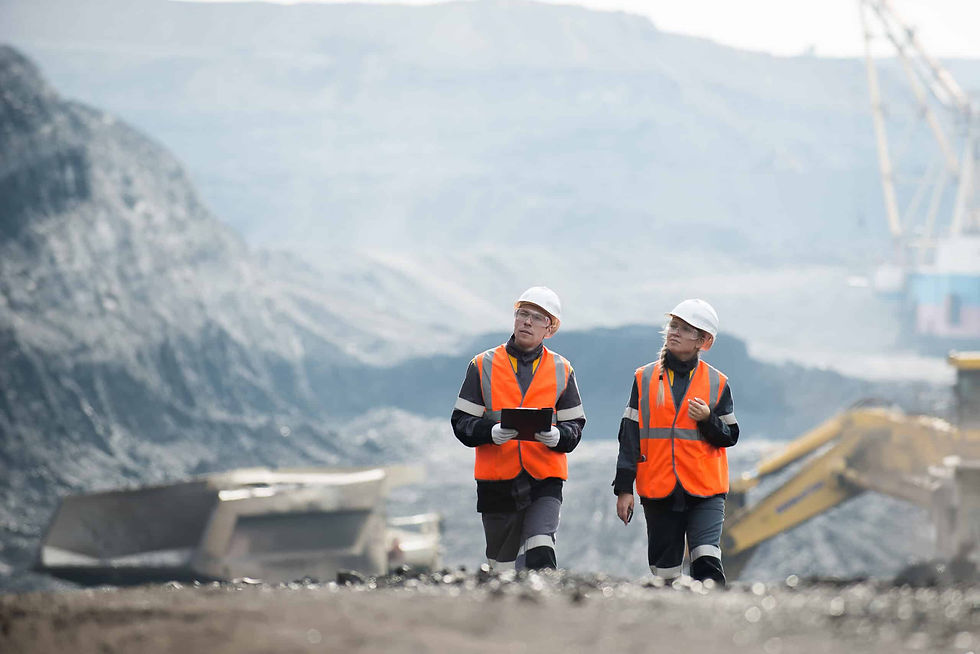
The FIFO lifestyle comes with plenty of rewards — good pay, structured rosters, and the ability to make long-term financial goals a reality. But it also comes with a unique set of challenges, especially when it comes to health and fitness. Long shifts, remote locations, limited food options, and the disruption of regular routines can all have a big impact on your physical and mental wellbeing.
When you’re working away from home, often for weeks at a time, staying healthy might not be at the top of your priority list. After all, the days can be long, the work physically draining, and downtime is usually limited. But building fitness into your FIFO life doesn’t mean hours in the gym or cutting out every indulgence — it’s about making consistent choices that help you feel better, move better, and get through your roster without running on empty.
Whether you’re just starting in FIFO or have been on-site for years, looking after your body and mind is one of the best investments you can make. Here’s how to keep fitness and wellbeing in the picture, even when you’re far from home.
Understand your environment
Every site is different. Some have great gyms, walking tracks, and nutritious meals in the mess hall. Others might be more basic, with limited facilities and food choices that lean heavily on carbs and deep-fried favourites. The key is to work with what you’ve got.
Take time to explore your site and understand what resources are available. If there’s a gym, check when it’s least busy and start small. If there’s no gym, look for open areas where you can stretch, walk or do bodyweight exercises. Even a 20-minute walk around camp can help clear your head and get your blood moving after a long shift.
Getting familiar with the food setup helps too. Some FIFO sites offer healthier choices if you know where to look. Ask kitchen staff about options or request small swaps, like grilled instead of fried, or veggies instead of chips. It’s not about going on a strict diet — it’s about making better choices when you can.
Build routines that work with your roster
FIFO rosters can be brutal on the body clock. Switching from night shifts to days, or working 12-hour shifts for two or three weeks straight, can throw your energy levels all over the place. That’s why consistency — not intensity — is your best friend.
Instead of pushing yourself to train hard every day, find a rhythm that fits your energy levels. Some people prefer training before their shift to boost their focus. Others like to wind down with light exercise after work. There’s no right or wrong — just what feels sustainable for you.
It might mean short workouts a few times a week, or even just daily stretching and a walk on your break. These small acts of movement can help reduce fatigue, support your posture, and give your body what it needs to stay strong. Listen to your body, and adjust your fitness routine as needed during each swing.
Keep it simple and functional
You don’t need a fancy gym program or a PT to stay fit on-site. Some of the best forms of exercise are simple, low-equipment movements that use your own body weight. Think squats, push-ups, lunges, planks, and walking — these can all be done in your room, outside, or in any space where you can move freely.
If your site has a gym, that’s a bonus. You can mix in resistance training or light cardio like cycling, rowing, or treadmill walking. Don’t worry if you’re not an expert — your goal isn’t to become a bodybuilder. It’s to support your health, reduce injury risk, and feel more energised during long swings.
The trick is to focus on consistency rather than intensity. A few sessions each week, even if they’re short, can have a big impact over time. And if you’re feeling tired or sore, don’t beat yourself up for taking a day off — rest is part of the equation too.
Nutrition matters more than you think
When you’re on-site, food is often one of the few comforts — and it’s easy to overdo it. Big meals, high-calorie snacks, and sugary drinks can add up quickly, especially when you’re less active than usual. But you don’t have to give up all your favourites to stay on track.
Start by paying attention to portion sizes. It’s easy to go back for seconds when you’re tired or bored, but your body may not need as much as you think. Try to balance your plate with a decent serving of protein, some vegetables, and a moderate portion of carbs or starches.
Snacks are another area to watch. If you’re reaching for chips, chocolate or energy drinks every shift, it might be worth packing a few healthier options — like mixed nuts, protein bars, fruit, or even boiled eggs — to keep in your room or locker.
Hydration is also easy to overlook. Working in hot or dusty conditions can dehydrate you quickly, even if you don’t feel thirsty. Try to keep a water bottle with you and sip throughout the day. Staying hydrated helps with energy, digestion, and recovery, and can even improve your sleep.
Sleep and recovery aren’t optional
In FIFO roles, sleep can be hard to come by — but it’s one of the most important parts of your health. Poor sleep affects everything from mood and focus to metabolism and injury risk. If you’re on night shift or struggling with disrupted sleep, it’s worth doing what you can to improve your setup.
Simple things like using earplugs, an eye mask, and a fan for white noise can make a big difference in a noisy camp environment. Try to keep your room cool and dark, and limit screen time before bed. If you’re switching from days to nights (or vice versa), give your body time to adjust gradually by shifting your sleep and wake times in small steps.
On your days off, don’t feel guilty for resting. FIFO work takes a toll, and downtime is your chance to reset. That might include light stretching, massage, or just catching up on quality sleep. Recovery isn’t lazy — it’s how you stay ready for the next swing.
Mental fitness is part of the package
Physical health is only part of the story. The FIFO lifestyle can take a toll mentally too — isolation, missing family, limited social interaction, and the emotional weight of working away can all build up. That’s why keeping your mind healthy is just as important as looking after your body.
Exercise is great for stress relief, but don’t be afraid to talk about how you’re feeling as well. Most camps now offer mental health support or access to counselling services. Reaching out is a sign of strength, not weakness.
Staying connected with family and friends while you’re away can also boost your wellbeing. A quick video call or message exchange can go a long way. And when you’re home, try to be fully present — that quality time helps recharge your mental batteries as much as anything else.
Progress, not perfection
One of the biggest traps FIFO workers fall into is the all-or-nothing mindset. You start a swing with good intentions — healthy meals, daily exercise — but after a few setbacks, you give up and say, “I’ll start again next swing.” The truth is, every small effort still counts.
Even if you miss a few days or slip up on your food choices, that doesn’t mean you’ve failed. Progress is about consistency over time, not being perfect every day. Building a healthy FIFO routine is a long game — and the habits you build now can carry into every part of your life, on and off-site.
Final thoughts
Staying fit and healthy while working FIFO is absolutely possible — it just takes a bit of planning, a bit of patience, and a whole lot of self-awareness. The goal isn’t to become superhuman. It’s about giving your body and mind the support they need to handle the demands of remote work and come home feeling good.
By building small, sustainable habits, using the resources available to you, and focusing on progress rather than perfection, you can take control of your health no matter where you’re working. And that’s not just good for your body — it’s good for your future.
So next time you head out for a swing, bring your runners, pack a few healthy snacks, and remember that looking after yourself isn’t just part of the job — it’s the foundation for everything else you do.
If you’d like personalised support—whether it’s professional Resume and Cover Letter writing, FIFO Resume, Employer Sponsorship Resumes and Cover Letters, SEEK and LinkedIn profile optimisation, Selection Criteria for Government Jobs, one-on-one Job Interview Coaching or Other Professional Writing Services —call us on 0423 686 904 or email us at hello@adriennasresumes.com


