


.png)


Climbing the FIFO Ladder: Pathways to Leadership

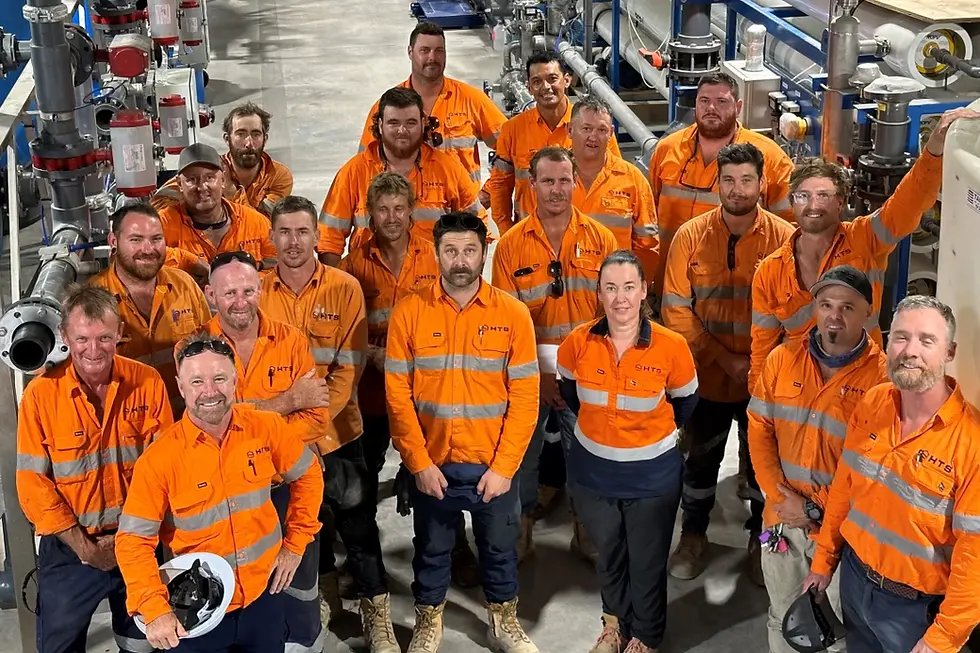
Working FIFO can open the door to a career filled with opportunity. While the lifestyle might be challenging — with long rosters, time away from family, and tough working conditions — many FIFO workers find that the rewards go beyond just the pay packet. One of the most rewarding aspects can be climbing the career ladder and stepping into leadership roles.
But how do you progress from a new starter on site to a respected leader? The FIFO environment is unique, and moving into management or supervisory roles here takes more than just ticking boxes. It requires a mix of technical skill, emotional intelligence, and a solid understanding of the particular challenges and rhythms of FIFO life.
If you’re keen to grow your career and take on leadership in FIFO, this guide shares some practical pathways and tips to help you get there.
Understanding the FIFO Leadership Landscape
Before diving into strategies, it’s important to understand what leadership looks like on FIFO sites. Unlike typical office roles, FIFO leadership often means managing people in high-pressure environments where safety is paramount. Leaders need to keep operations running smoothly while supporting workers who face physical and emotional challenges from roster demands.
Being a good leader in FIFO isn’t just about giving orders. It means building trust, encouraging teamwork, and knowing how to motivate people who might be far from home and under stress. It’s about leading by example, communicating clearly, and being approachable.
For many, leadership starts with demonstrating reliability, a strong work ethic, and the right attitude.
Start With Excellence in Your Current Role
Leadership opportunities rarely appear out of nowhere. They usually come to those who consistently perform well in their current roles. Being punctual, reliable, and maintaining a strong safety record builds your reputation as someone the company can depend on.
Getting your technical skills right is essential. Take the time to learn everything about your job, whether it’s operating machinery, understanding site processes, or mastering the safety protocols. The more competent and confident you are, the more likely supervisors will see you as leadership material.
Show willingness to take on extra responsibilities. Volunteer for tasks or shifts that others avoid. This proactive attitude signals your commitment and readiness for bigger challenges.
Develop Strong Communication Skills
Communication is a cornerstone of leadership, especially in FIFO settings where clear, concise exchanges can be critical to safety and efficiency. Leaders need to be able to listen to workers’ concerns, explain tasks clearly, and keep everyone informed.
If you find public speaking daunting or aren’t used to giving instructions, it’s a good idea to practice these skills. Simple steps like speaking up in toolbox talks or team meetings, asking questions, and offering feedback show that you’re engaged.
Being approachable is just as important. Good leaders make themselves available and create an environment where people feel comfortable sharing problems or ideas.
Build Relationships and Network on Site
FIFO sites are tight-knit communities. Building positive relationships with your workmates, supervisors, and other site staff creates a support network that can open doors to leadership roles.
Treat everyone with respect, regardless of their position. Take the time to get to know your team, understand their challenges, and be supportive. Leaders who connect well with their teams tend to inspire loyalty and cooperation.
Networking beyond your immediate team can also help. Get involved in site initiatives, training programs, or social events. Meeting people from other departments or management can increase your visibility and demonstrate your commitment.
Pursue Further Training and Qualifications
While experience counts for a lot, formal qualifications can give you a significant edge when aiming for leadership roles. Many FIFO employers offer or support training in areas like first aid, safety management, supervisory skills, or technical certifications.
If you’re serious about climbing the ladder, look for courses that build your leadership and management skills. Training not only boosts your knowledge but also shows your initiative and professionalism.
Consider qualifications like a Certificate IV in Work Health and Safety, a diploma in management, or trade-specific leadership courses. Even short workshops in conflict resolution or communication can make a difference.
Demonstrate Emotional Intelligence and Resilience
FIFO leaders face unique challenges — managing diverse teams, dealing with workplace stress, and helping workers navigate the ups and downs of roster life. Emotional intelligence — the ability to understand and manage your emotions and those of others — is crucial.
Show empathy towards your mates on site. Recognise when someone is having a tough day or struggling with homesickness. Supportive leaders build stronger teams.
Resilience is equally important. FIFO work can be physically and mentally demanding, so leaders need to handle pressure calmly and keep morale high, even when things get tough.
Take Initiative and Solve Problems
Companies value leaders who don’t just point out problems but actively work to fix them. If you spot inefficiencies, safety risks, or opportunities to improve processes, bring these to your supervisor’s attention — ideally with suggestions on how to address them.
Taking initiative shows you’re thinking beyond your own tasks and care about the site’s overall success. It marks you as someone ready for responsibility.
Be Patient and Persistent
Moving into leadership isn’t usually a quick process. FIFO sites often have established hierarchies, and opportunities for promotion depend on site needs, your experience, and timing.
Don’t get discouraged if leadership roles don’t open up immediately. Keep building your skills, improving your work ethic, and showing your value to the team. Patience and persistence pay off.
Maintain Work-Life Balance and Manage Stress
Being a leader on site often means more responsibility and pressure. To perform well, you need to look after your own wellbeing. This means managing stress, getting enough rest, and maintaining healthy habits while on and off site.
Good leaders set an example by managing their health and encouraging their teams to do the same. Burnout is real in FIFO work, and those who can stay balanced tend to last longer and lead better.
Seek Mentorship and Learn From Others
Don’t hesitate to seek out mentors within your company or industry. Experienced leaders can offer invaluable advice, guidance, and support as you navigate your career path.
Mentorship can help you avoid common mistakes, understand company culture, and develop leadership qualities more effectively.
Embrace Feedback and Keep Improving
Leadership growth requires an open mind and a willingness to learn. Ask for feedback from supervisors and peers, and use it constructively. Nobody is perfect, and recognising your areas for improvement will make you a stronger leader in the long run.
Showing that you can take criticism and work on yourself demonstrates maturity and dedication.
Final Thoughts
Climbing the FIFO ladder to leadership is a journey of commitment, learning, and self-awareness. It’s about more than just doing your job well; it’s about stepping up, building strong relationships, communicating clearly, and taking care of yourself and your team.
Leadership in FIFO is unique — it blends technical skill with emotional intelligence and a deep understanding of the challenges of rostered life. If you focus on developing these qualities, pursue training, and show persistence, you’ll put yourself in the best position to take on those coveted leadership roles.
So if you’re just starting out or looking to move up, remember that every small step counts. Keep your eyes on the goal, be patient, and get ready to lead with confidence when the opportunity comes knocking.
If you’d like personalised support—whether it’s professional Resume and Cover Letter writing, FIFO Resume, Employer Sponsorship Resumes and Cover Letters, SEEK and LinkedIn profile optimisation, Selection Criteria for Government Jobs, one-on-one Job Interview Coaching or Other Professional Writing Services —call us on 0423 686 904 or email us at hello@adriennasresumes.com


